
LSVT BIG VS. LSVT LOUD
LSVT BIG vs. LSVT LOUD: What's the Difference, and Why Does It Matter for Parkinson's Care?
If you've spent any time on our Grants page, you've seen us mention LSVT BIG and LSVT LOUD certifications. They're at the heart of what the W.A.D.E. Initiative funds — but what actually are they, and why does helping a therapist get certified in them make such a difference for someone living with Parkinson's?
Here's the breakdown.
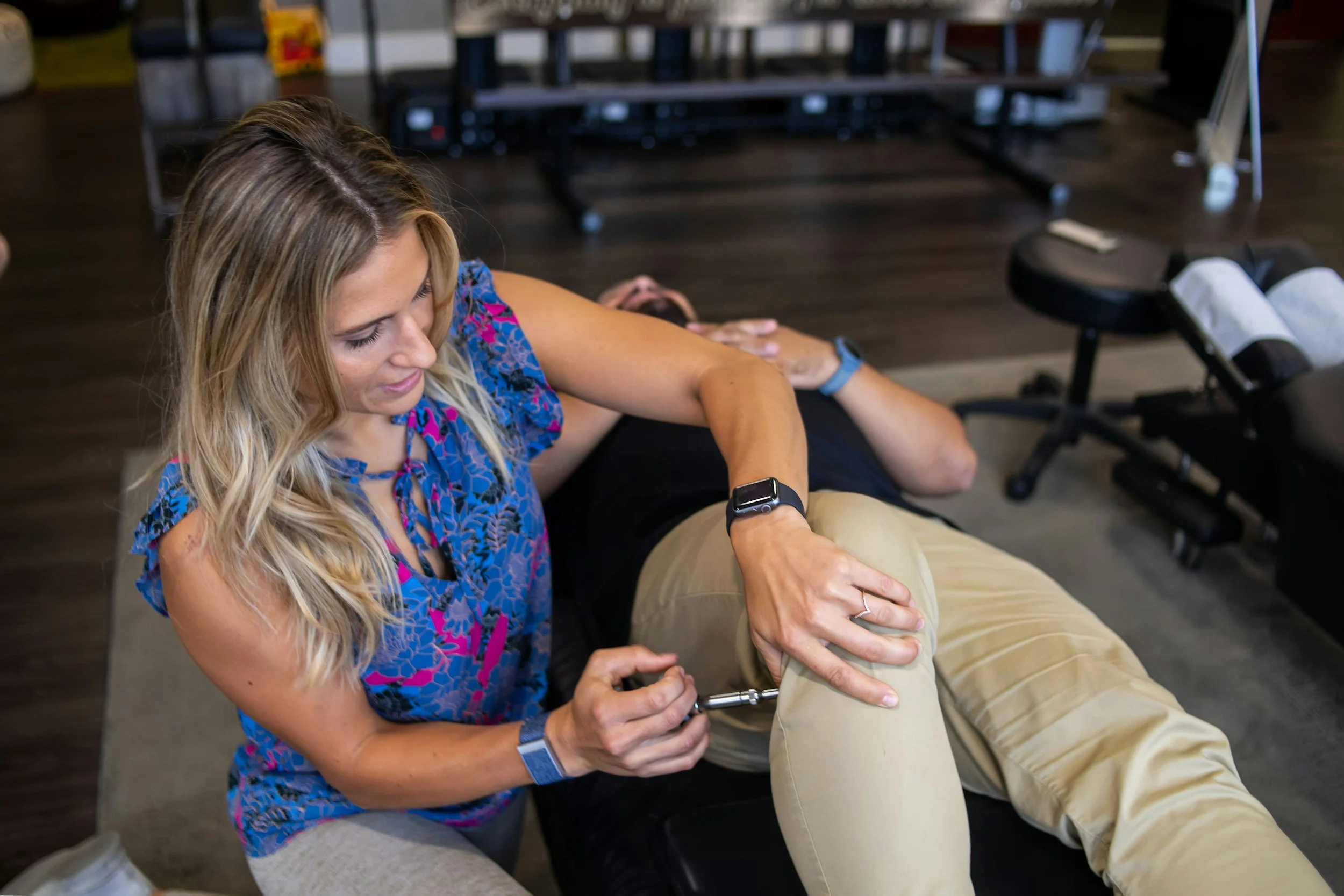
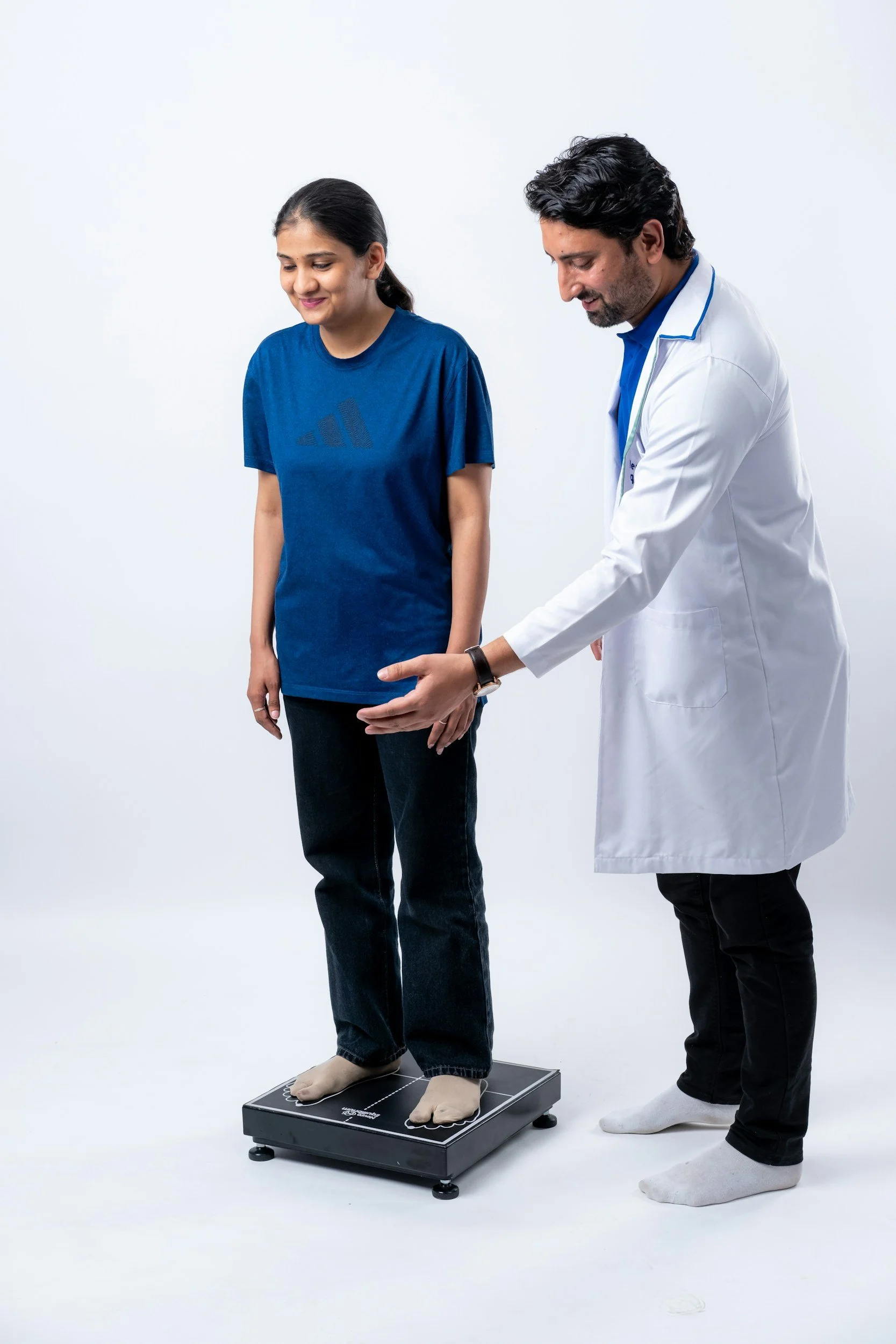
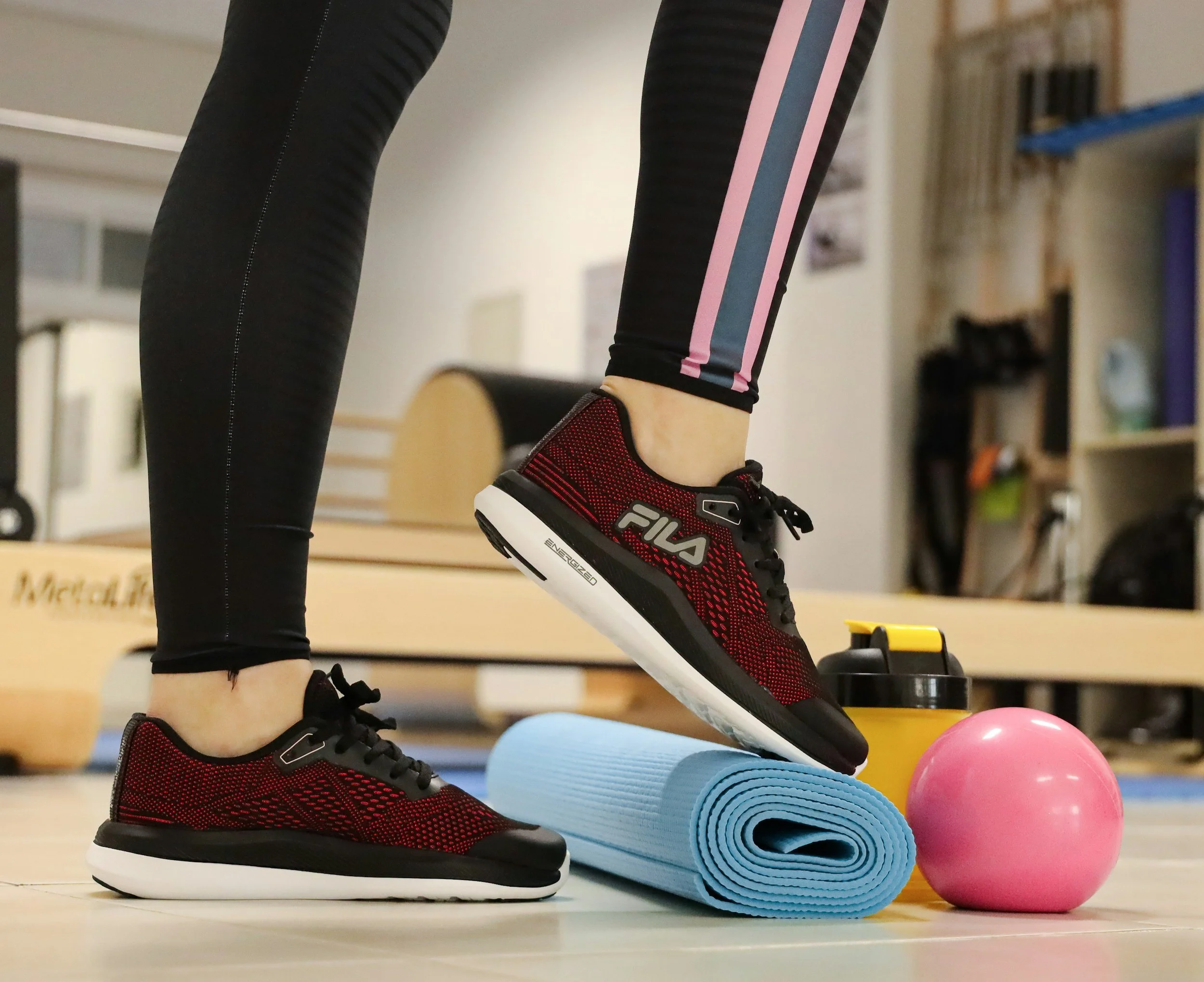

They Start From the Same Idea
Parkinson's disease often causes people to unconsciously scale down their movements and their voice. Steps get shorter. Handwriting shrinks. Speech gets softer and less clear. It happens gradually enough that people with Parkinson's — and often the people around them — don't fully notice it happening.
LSVT BIG and LSVT LOUD were both built around the same core insight: many people with Parkinson's can still make big movements and loud sounds — they've just lost the internal sense of what "normal" amplitude feels like. Both programs are intensive, evidence-based protocols designed to retrain that internal calibration, developed by LSVT Global and backed by decades of research.
Think of them as sibling programs, aimed at two different systems in the body.
LSVT BIG: Retraining Movement
LSVT BIG is delivered by a certified physical or occupational therapist. It targets the whole-body slowness and shrinking movement patterns common in Parkinson's — things like shuffling steps, stooped posture, and difficulty with everyday tasks like getting out of a chair or turning over in bed.
Treatment is intensive by design: typically four sessions a week for four weeks, built around exaggerated, purposeful movements — bigger steps, fuller arm swings, larger reaches. The goal isn't just movement for its own sake; it's rebuilding the neural pathways so those larger movements start to feel normal again, and carry over into daily life.
LSVT LOUD: Retraining Voice
LSVT LOUD follows the same intensive structure, but it's delivered by a certified speech-language pathologist and focuses on the voice. Parkinson's frequently causes hypophonia — a soft, breathy, monotone quality of speech that can make someone hard to hear or understand, even when they don't realize their volume has dropped.
Through repeated practice producing strong, sustained vocal effort, LSVT LOUD helps patients recalibrate their sense of "loud enough," restoring clarity and confidence in conversations that Parkinson's can otherwise quietly erode.

Why We Fund Both
Movement and voice are treated by different specialists, but for the person living with Parkinson's, they're both just part of daily life — walking through a grocery store, or being heard by a grandchild across the dinner table.
That's why the W.A.D.E. Initiative supports certification across both tracks, along with CNRN certification for nurses. Certification training isn't free, and it isn't always covered by an employer, which means the cost can fall squarely on the therapist or student who wants to specialize in this work. Every grant we fund is really an investment in more communities having access to a therapist trained to deliver this specific, research-backed level of care.
If you're a student or practicing rehab professional interested in pursuing LSVT BIG, LSVT LOUD, or CNRN certification, visit our Grants page to learn more about eligibility and how to apply.
This post is intended for general educational purposes and isn't a substitute for medical advice. If you or a loved one is living with Parkinson's, talk to a physician or certified specialist about whether these therapies are right for you.