
Exercise is one of the few things research consistently points to as making a real difference in how people with Parkinson's feel day to day. The Parkinson's Foundation has found that around 2.5 hours of exercise a week, combined with medication, can meaningfully improve quality of life for people living with PD.
You don't need a gym membership or fancy equipment to get started. Here are five simple, Parkinson's-friendly exercises you can try at home — plus a great free resource to keep you moving long after you've tried these five.
As always, check with your doctor or physical therapist before starting a new exercise routine, especially if balance is a concern.



1. Big Marching
Parkinson's tends to shrink movement without you noticing it happening. Big Marching is exactly what it sounds like: standing (holding onto a sturdy chair or counter if needed) and marching in place, lifting your knees as high as you comfortably can with big, deliberate arm swings.
This is a foundational movement in LSVT BIG-style training — the idea is to consciously exaggerate movement so your brain recalibrates what "normal" actually looks like.
Try it: 20–30 seconds at a time, resting as needed, for 3–5 rounds.
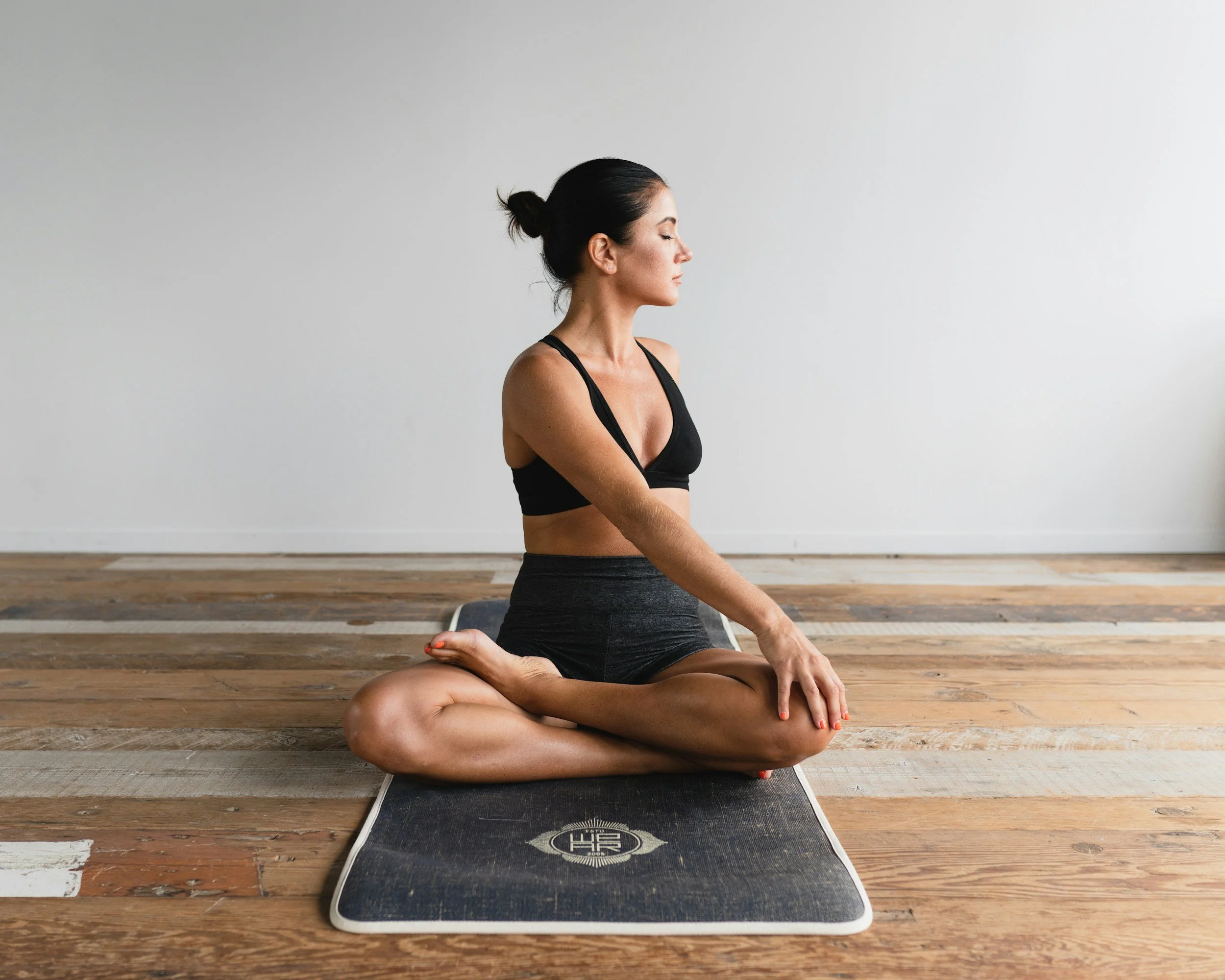
2. Seated Trunk Rotations
Stiffness through the torso is common with Parkinson's and can make everyday movements like turning to look behind you, or getting in and out of a car, more difficult. This one is done seated, so it's a good low-risk option.
Sit tall in a sturdy chair, cross your arms over your chest, and slowly rotate your upper body to one side, then the other, keeping your hips facing forward.
Try it: 10 rotations per side, moving slowly and with control.
3. Sit-to-Stands
This is one of the most functional exercises you can do — it directly builds the leg strength you use every single time you stand up from a chair, a couch, or the toilet.
Sit in a sturdy chair with your feet flat on the floor. Lean slightly forward and stand up, using your legs as much as possible rather than pushing off with your hands. Sit back down with control instead of dropping.
Try it: 8–10 repetitions, resting between if needed.
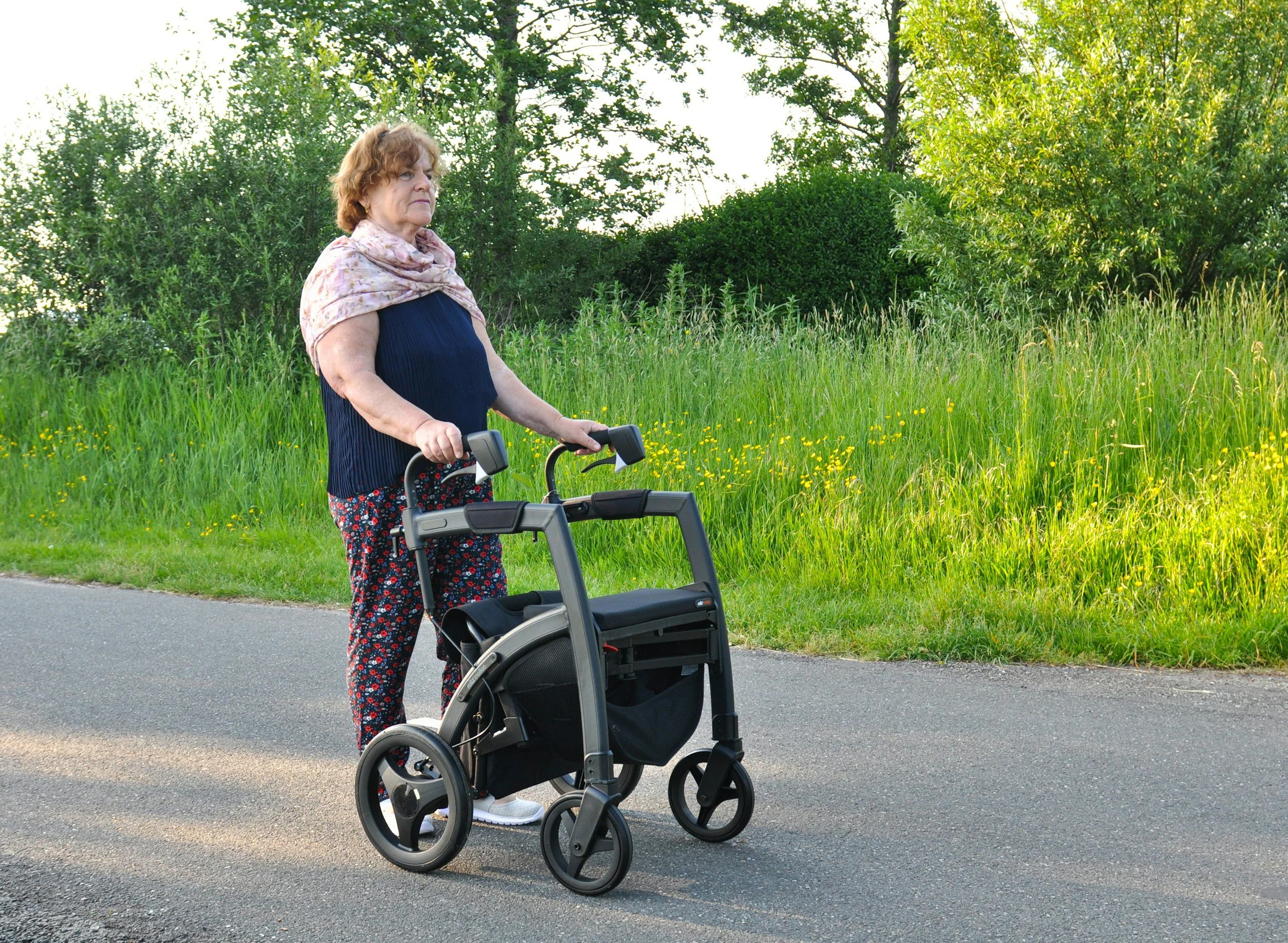

4. Heel-to-Toe Walk (Tandem Walk)
Balance and gait are often affected by Parkinson's, and this exercise helps directly challenge and train that system in a controlled way.
Walk in a straight line, placing the heel of one foot directly in front of the toes of the other, as if walking a tightrope. Stay near a wall or countertop you can reach out and touch if needed.
Try it: 10 steps forward, turn around carefully, and repeat.
5. Big Voice Practice
Movement isn't the only thing that can shrink with Parkinson's — voice volume often does too, sometimes without the person realizing it. This simple exercise, inspired by the LSVT LOUD approach, helps maintain vocal strength.
Take a deep breath, and say "ahh" at a strong, loud volume — louder than feels natural — and hold it for as long as comfortably possible. Repeat, focusing on volume rather than pitch.
Try it: 5–10 repetitions, a few times a day.
Want More? Follow Along with the Parkinson’s Foundation’s Fitness Friday
These five exercises are a great starting point, but if you want structured, guided routines led by Parkinson's-specialized professionals, the Parkinson's Foundation's Fitness Friday series is one of the best free resources available. It's part of their broader PD Health @ Home program, and every week features a new follow-along video covering everything from balance and coordination to boxing-inspired strength training and yoga — all designed specifically for people with Parkinson's.
You can find the full library of Fitness Friday videos, along with live monthly sessions, on the Parkinson's Foundation website: PD Health @ Home – Fitness Fridays.
At the Andrews Impact Foundation, our mission is about funding the clinicians who deliver specialized, evidence-based programs like LSVT BIG and LSVT LOUD. Resources like Fitness Friday are a wonderful complement — free, accessible ways to stay active between clinical visits, led by people who understand Parkinson's specifically.
This post is intended for general educational purposes and isn't a substitute for medical advice. Talk to your doctor or a physical therapist before beginning any new exercise program, particularly if you have concerns about balance or falling.