
Our Story: Why We Started the Andrews Impact Foundation
This September (2026) will mark twenty-one years ago that my dad, Wade Andrews, was diagnosed with Parkinson's disease.
I won't pretend I remember every detail of that day. What I do remember is everything that came after — two decades of appointments, medications, adjustments, small victories, and hard days. Parkinson's doesn't move in a straight line, and neither has our family's experience with it.
In 2019, my dad underwent deep brain stimulation (DBS) surgery. It helped a lot of things. The tremor that most people associate with Parkinson's — the one everyone pictures when they hear the word "Parkinson's" — isn't something he deals with much anymore. But Parkinson's didn't go anywhere. It just kept showing up in other ways: in his gait, in his balance, in the countless symptoms that don't make it into the popular image of this disease, and in the quiet, constant importance of things like getting his medication timed exactly right, every single day.
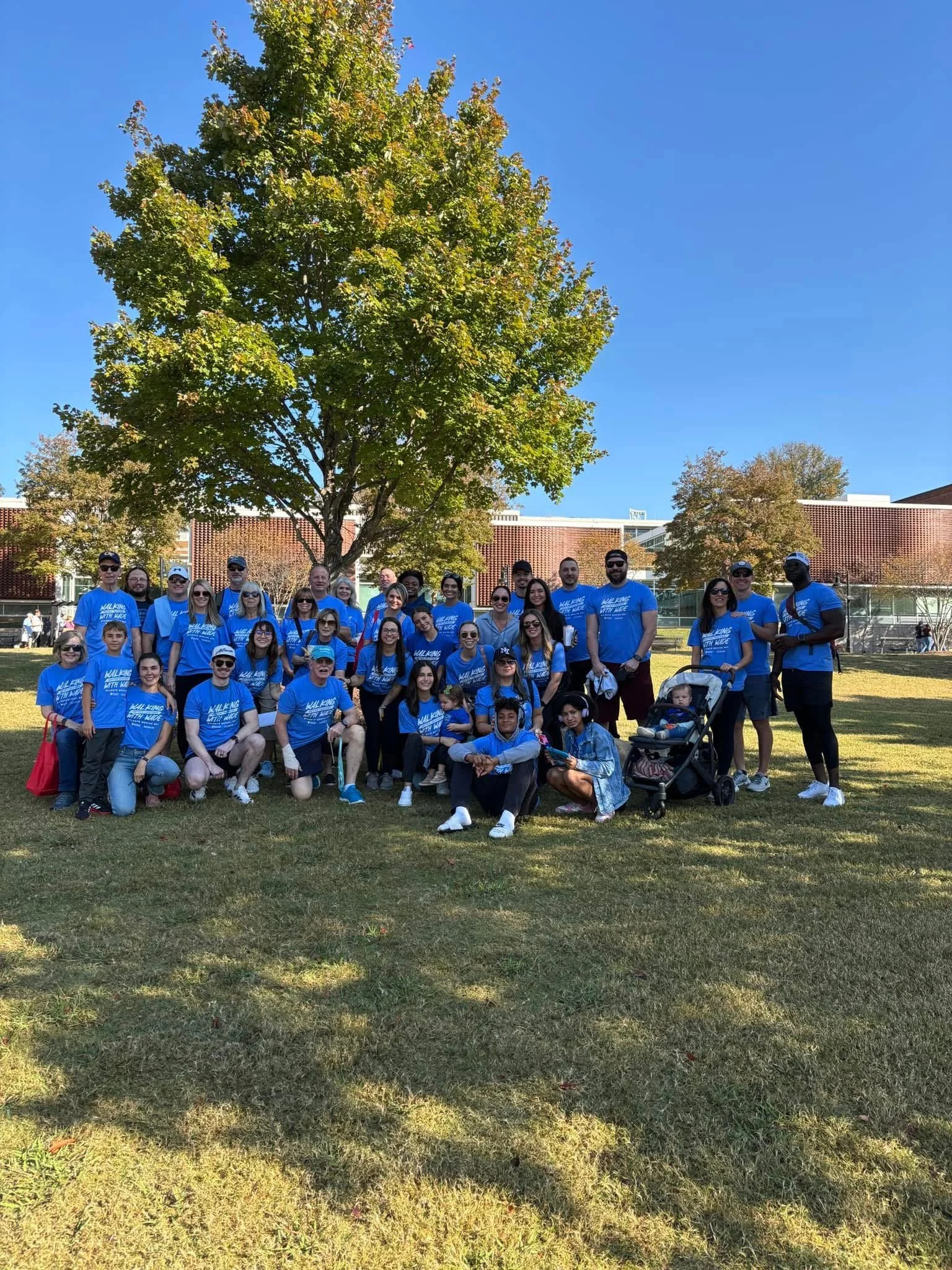
The Moment I knew I needed to do something
Earlier this year, my dad had a fall. It resulted in a hospital stay — the kind of thing that, if you've walked this road with a parent or spouse, you know brings its own particular kind of fear and exhaustion.
During his stay, I was in the room during a shift change. I listened as one nurse briefed the incoming nurse on his case. And I heard her say it: "He has Parkinson's, so, you know — a tremor in his hand."
That was it. That was the entire clinical Parkinson’s picture she passed along.
My dad hasn't had a tremor in years. What he actually needed the care team to understand — his fall risk, his gait issues, the precision his medication schedule requires — wasn't part of that handoff at all.
I remember sitting there, and something just clicked into place. If a hospital team caring for my father — a Parkinson's patient having a fall-related hospital stay — didn't have an accurate, current picture of what Parkinson's actually looks like for him, how many other patients were experiencing the same gap in care? How many other families were sitting in the same kind of room, hearing the same kind of oversimplified handoff?
That moment is the reason the Andrews Impact Foundation exists. And the W.A.D.E. Initiative is the Wade Andrews Development and Education Initiative designed to bridge the gap in Parkinson’s care.
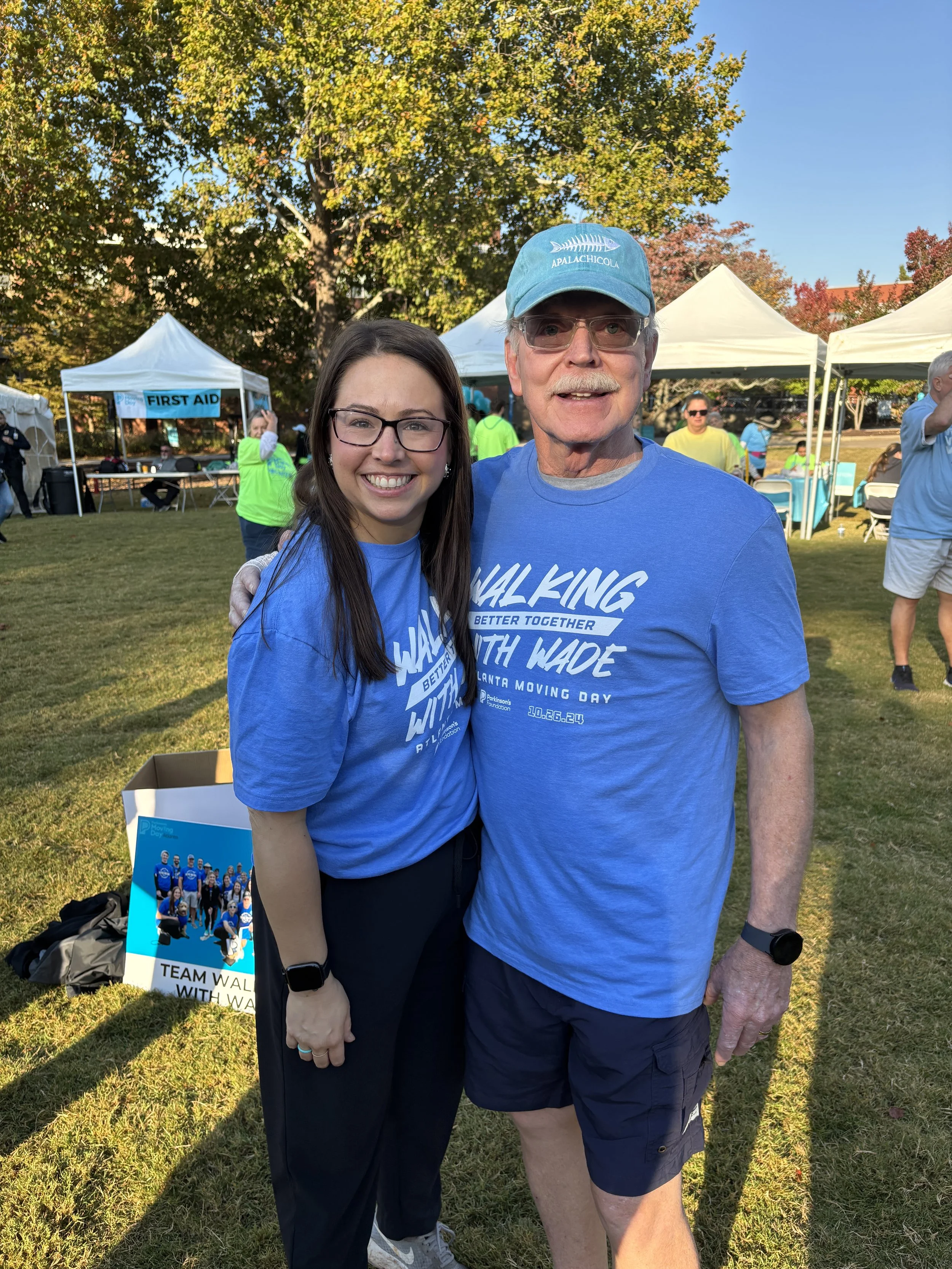
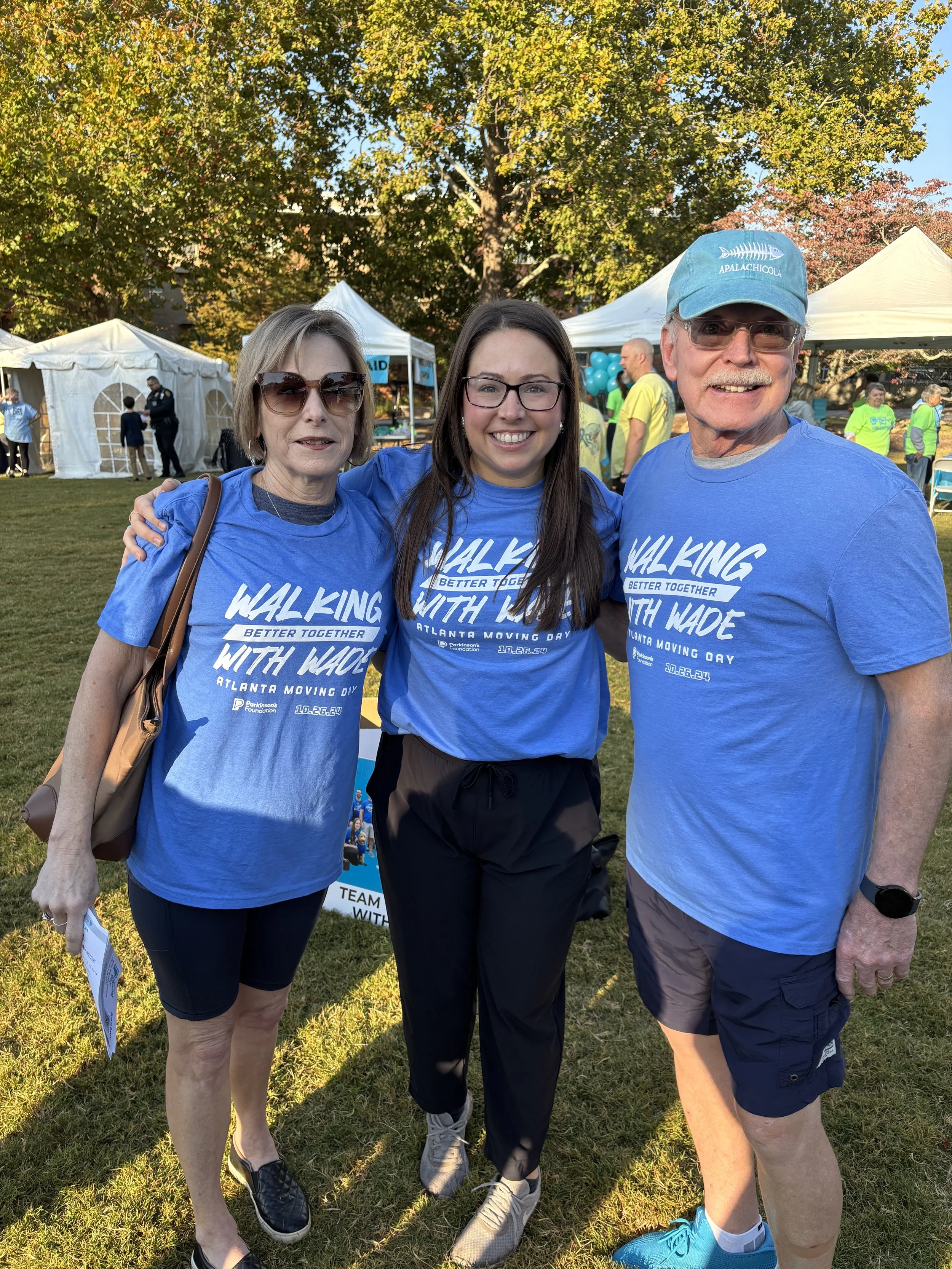
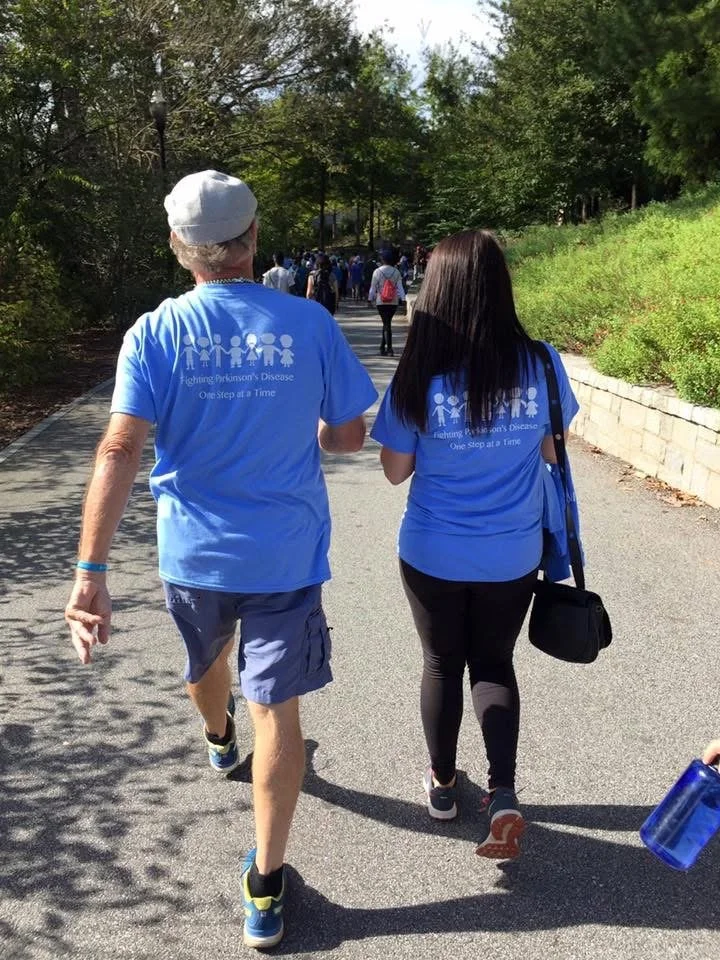
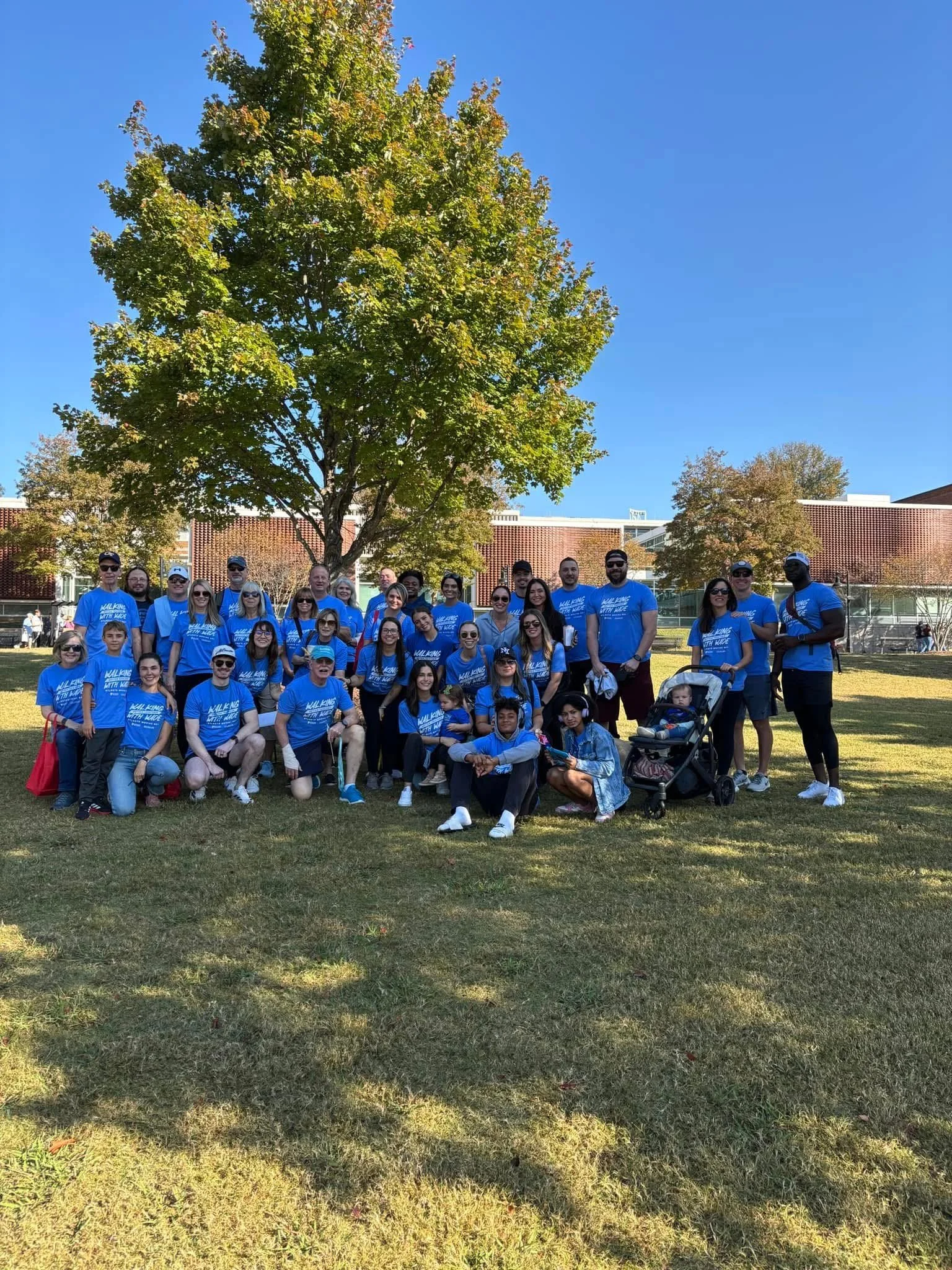
What We're Building Toward
Parkinson's care requires real specialization — not just awareness that a diagnosis exists, but genuine, current understanding of what it means day to day. That's why our W.A.D.E. Initiative — named for my dad — funds certification training for the people on the front lines of that care:
Physical and occupational therapists trained in LSVT BIG, so more clinicians know how to address the freezing, gait changes, and fall risk that come to define daily life with Parkinson's far more than a tremor ever did for my dad.
Speech-language pathologists trained in LSVT LOUD, addressing the voice and communication changes that are just as real, even when they're invisible to a nurse doing a quick handoff.
Nurses pursuing CNRN certification, so that hospital teams — not just neurology specialists, but the nurses actually in the room during a fall, a medication mix-up, or a routine shift change — have a real, working understanding of Parkinson's.
None of this is abstract to me. It's my dad's hospital room. It's a nurse who, through no fault of her own, simply hadn't been given the training to know better. It's twenty-one years of watching this disease evolve past the stereotypes most people, including some healthcare workers, still carry.
We started this foundation because we believe no family should have to sit in a hospital room and hear their loved one reduced to an outdated symptom. We believe every clinician who wants to specialize in Parkinson's care should be able to, regardless of what certification training costs. And we believe that closing this knowledge gap — one certified therapist, one educated nurse at a time — genuinely changes what care looks like for people like my dad.
This is personal. It always will be. And it's why we're just getting started.